Properties Restored After Severe Weather
Storm Damage Cleanup in Athens for properties impacted by fallen trees and scattered debris
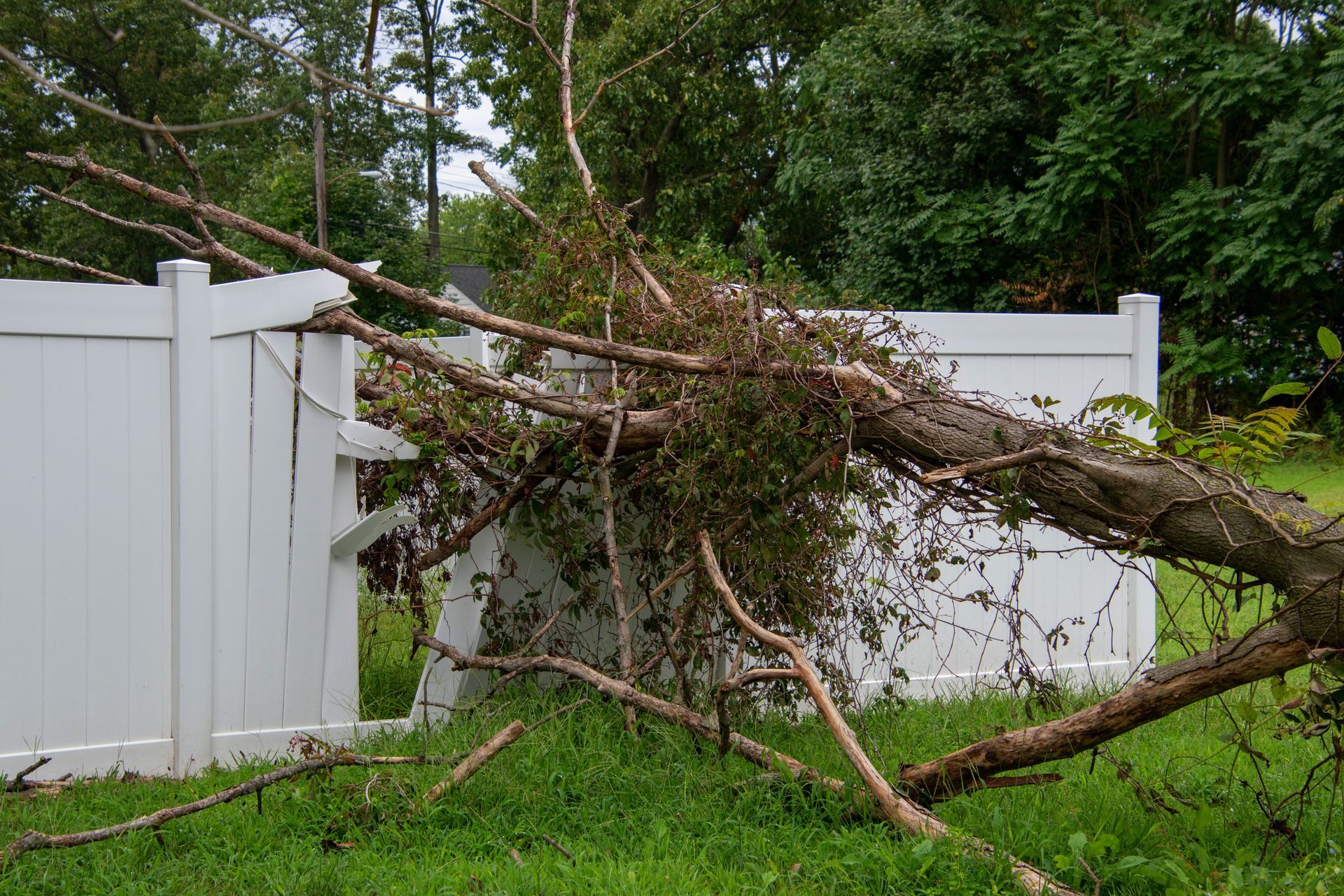
Heavy winds and rain leave visible consequences across properties—trees split at the trunk, limbs tangled in power lines, root balls exposed where trunks once stood. All South Tree Company handles storm damage cleanup in Athens, removing fallen trees, broken branches, and debris that block driveways, damage structures, or threaten utility connections. This service addresses the immediate aftermath of severe weather, when unstable trees and scattered material create ongoing risk until cleared.
The work involves cutting and sectioning fallen trunks, removing hung or partially attached limbs that could drop without warning, and hauling all material off-site. Partially fallen trees require assessment before removal to prevent sudden shifts during cutting that could strike buildings or vehicles. Local storms in northeast Georgia often produce combination damage—wind-snapped hardwoods mixed with uprooted pines—requiring different cutting approaches for safe removal.
Arrange an on-site assessment to prioritize hazardous material and plan efficient debris removal.
What Happens During Post-Storm Property Recovery
Cleanup begins with identifying trees or limbs that pose immediate danger due to instability, contact with structures, or blocked access routes. Crews section large trunks into manageable pieces using chainsaws rated for the wood diameter, then load material into trucks for transport. Brush and smaller debris get consolidated and removed separately to keep the site organized throughout the process.
After material removal, you'll notice clear access to driveways and walkways, elimination of limbs leaning against roofs or fences, and restored visibility across the property. Root balls and stumps from uprooted trees remain visible unless grinding is requested separately—many property owners leave these for later removal once insurance assessments conclude. The difference shows in regained usability of outdoor spaces and removal of visual reminders that signal ongoing damage.
The service includes hauling all cut material away from the property but does not typically cover repairs to structures, fencing, or landscaping features damaged by falling trees. Stump grinding, soil restoration, or replanting are addressed through separate arrangements. Properties with multiple fallen trees may require phased removal, starting with the most hazardous material before moving to secondary debris.
What Property Owners Ask After Storm Events
Storm damage varies widely depending on tree species, soil saturation, and wind direction, so questions about the cleanup process help clarify what to expect during recovery.
How quickly can fallen trees be removed after a storm?
Removal timing depends on crew availability following widespread weather events, but hazardous trees blocking access or touching structures are prioritized within the first response window, often within one to three days in Athens depending on the severity and scale of the storm.
What happens if a tree is leaning but hasn't fully fallen?
Leaning trees under tension are assessed for stability before cutting begins, since releasing tension incorrectly can cause sudden movement—crews secure or section these trees carefully to prevent additional property damage during removal.
Why do some trees uproot while others snap at the trunk?
Shallow-rooted species like pines typically uproot in saturated soil, while hardwoods with deeper roots often snap at weak points in the trunk when wind force exceeds the wood's structural capacity, especially in trees with interior decay.
What should be documented before cleanup starts?
Photograph all damage from multiple angles, note any contact between trees and structures, and document debris locations for insurance purposes—removal crews can work around temporary markers if adjusters need to visit before material is hauled.
Does cleanup include removing debris from roof surfaces?
Small branches and leaves on roofs are typically cleared if accessible from the ground or during tree removal, but debris requiring ladder work or roof access is handled separately to avoid liability concerns—tarping damaged roof sections is generally coordinated with roofing contractors.
All South Tree Company provides complete debris hauling and site clearing following storm events across Athens and surrounding areas. Schedule cleanup services to remove hazardous material and restore safe access to your property.