Identifying Problems Before They Worsen
Tree Health Assessments in Athens for properties with declining, diseased, or structurally questionable trees
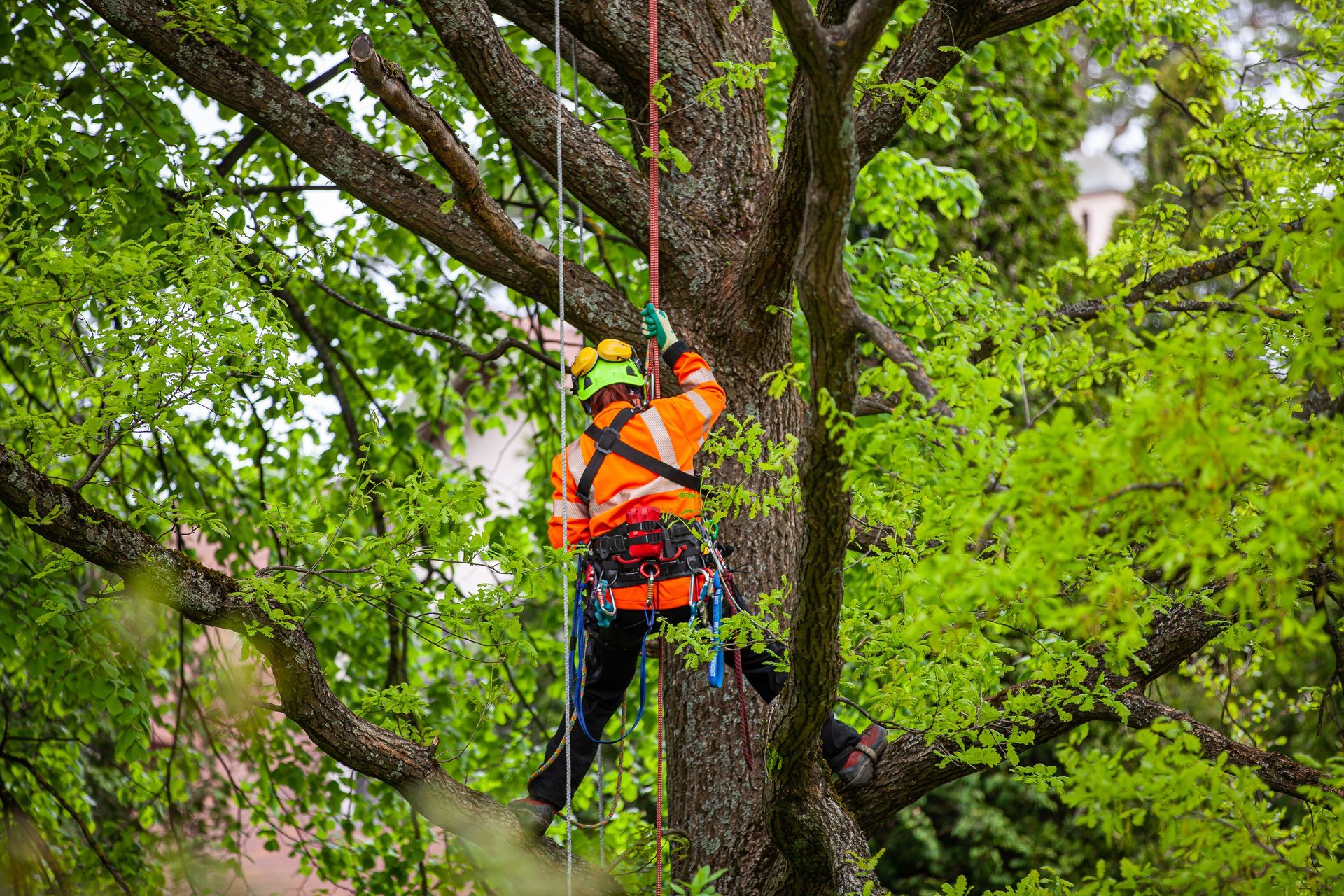
Decay progresses invisibly inside trunks while canopies thin gradually season by season, making it difficult for property owners to distinguish normal aging from advancing disease. A tree assessment evaluates structural integrity, identifies disease or pest activity, and determines whether intervention can extend the tree's life or if removal prevents future damage. All South Tree Company conducts tree health assessments in Athens, inspecting trees for visible and subsurface indicators that signal decline, instability, or risk to nearby structures.
Assessments include visual inspection of bark condition, canopy density, and branch dieback, along with physical examination of the trunk for cavities, fungal growth, or cracking. Resistance drilling may be used on larger trees to detect internal decay without visible exterior symptoms—this reveals whether the trunk retains structural integrity or has hollowed to the point where wind loading could cause failure. Local patterns in Athens include oak wilt in red oak species and root rot in pines planted in poorly drained soil, both of which progress faster once symptoms appear.
Schedule an inspection to evaluate specific trees showing signs of stress or structural concern.
What Proper Assessment Requires
Inspectors examine root flare exposure to check for girdling roots or soil compaction that restricts nutrient uptake, measure canopy dieback as a percentage of total crown volume, and document lean angles or cracks in unions where multiple trunks join. Each finding contributes to an overall risk rating that weighs the likelihood of failure against proximity to structures, vehicles, or high-traffic areas. Trees with moderate decay but low risk targets may warrant monitoring rather than immediate removal.
After the assessment, you'll receive documentation identifying specific issues found, photos of problem areas, and recommendations ranging from corrective pruning to phased removal depending on severity. Treatable conditions might include cabling to support weak unions or targeted trimming to reduce wind resistance, while trees with advanced decay or destabilized root systems are flagged for removal before seasonal storms increase failure risk. Understanding the difference between cosmetic decline and structural failure helps prioritize which trees require action first.
Assessments provide information for decision-making but do not include treatment, trimming, or removal unless arranged separately after reviewing findings. Properties with multiple mature trees benefit from periodic inspections, particularly after droughts or construction activity that disturbs root zones. Recommendations remain valid until conditions change, but trees near the threshold of structural failure should be re-evaluated annually.
Answers to Frequent Service Questions
Tree health involves visible symptoms and hidden deterioration, so questions about assessment scope and outcomes clarify what the inspection process reveals.
What visible signs suggest a tree needs assessment?
Canopy thinning with less leaf density than previous years, dead branches concentrated in specific areas, fungal growth on the trunk or at the base, cracks in bark, or noticeable lean that developed recently all warrant inspection to determine underlying causes.
How do inspectors detect decay inside trunks?
Resistance drilling uses a thin probe that measures how easily it penetrates the wood—solid wood resists more than decayed tissue, and the resistance pattern shows whether decay is localized or extensive, helping predict structural integrity under load.
Why do some trees decline rapidly after construction nearby?
Root damage from excavation or soil compaction from heavy equipment reduces the tree's ability to absorb water and nutrients, and symptoms often appear one to three growing seasons after the disturbance as stored energy reserves deplete.
When is treatment recommended instead of removal?
Trees with localized decay, correctable structural issues, or pest infestations caught early may respond to pruning, cabling, or soil management, but treatment is only recommended when the tree retains enough healthy tissue to recover and doesn't pose immediate risk.
What role does assessment play in storm preparation across Athens?
Identifying trees with weak unions, shallow roots, or top-heavy canopies before storm season allows property owners to remove or reduce hazardous trees proactively, lowering the chance of wind-driven failure during severe weather common in northeast Georgia.
All South Tree Company evaluates tree condition and structural stability for residential and commercial properties throughout Athens. Request a consultation to assess specific trees and receive recommendations based on current health and risk factors.